

Understanding gambling addiction Recognizing the signs and seeking help
What is Gambling Addiction?
Gambling addiction, often referred to as compulsive gambling, is a chronic condition characterized by an uncontrollable urge to gamble despite negative consequences. This behavioral addiction affects individuals across various demographics and can lead to severe financial, emotional, and psychological distress. Unlike occasional gambling, those with a gambling addiction may prioritize betting over personal relationships and responsibilities. Many people explore options like handball betting sites without realizing they are developing a larger issue.
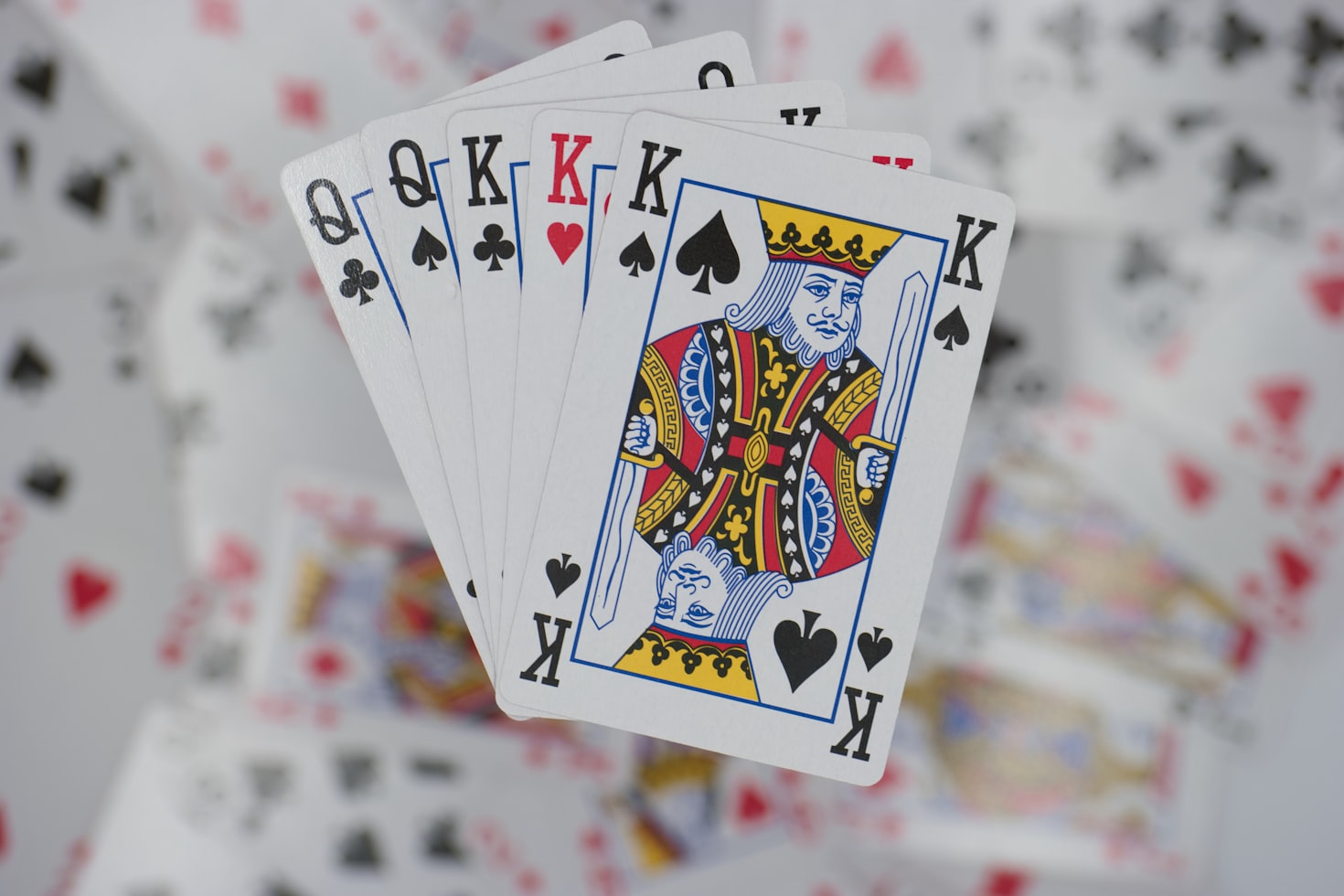
This addiction can stem from various factors, including genetics, environmental influences, and mental health issues. Understanding the underlying causes is vital for recognizing the signs and seeking appropriate help. The impact of gambling addiction can be profound, altering the lives of not just the individual but also their loved ones.
Recognizing the Signs of Gambling Addiction
Identifying gambling addiction can be challenging, as its symptoms can be subtle and develop over time. Common signs include frequent thoughts about gambling, an increasing need to bet larger amounts to achieve the same thrill, and lying about gambling habits to friends and family. Individuals may also experience feelings of restlessness or irritability when trying to cut back on gambling.
Moreover, the emotional toll often manifests as anxiety or depression, which can create a vicious cycle that perpetuates the addiction. Recognizing these signs early can facilitate timely intervention and support, ultimately improving the chances of recovery.
The Psychological Effects of Gambling Addiction
The psychological consequences of gambling addiction can be severe, leading to heightened stress, anxiety, and feelings of hopelessness. Many individuals find themselves trapped in a cycle of chasing losses, which can result in further financial problems and emotional turmoil. This cycle often affects a person’s self-esteem, relationships, and overall quality of life.
Moreover, gambling addiction can co-occur with other mental health disorders, such as depression or substance abuse. These overlapping issues complicate treatment and recovery, making it essential for individuals to receive comprehensive care that addresses all aspects of their mental well-being.
Seeking Help for Gambling Addiction
Seeking help for gambling addiction is a crucial step towards recovery. Various resources are available, including counseling, support groups, and rehabilitation programs. Professional help can provide individuals with the tools and strategies they need to combat their addiction effectively.
Support groups, such as Gamblers Anonymous, offer a sense of community and shared experiences that can empower individuals on their journey to recovery. Reaching out for help is a sign of strength and the first step towards reclaiming control over one’s life.

Resources and Support Available
Our website serves as a valuable resource for individuals seeking information on gambling addiction and the support available. We provide detailed insights into various treatment options, including therapy approaches and community support networks. Understanding the available resources can help those affected by gambling addiction make informed decisions about their recovery journey.
Additionally, our platform offers educational articles aimed at raising awareness about the signs and effects of gambling addiction. We believe that knowledge is the first step towards healing, and we are dedicated to guiding individuals and their families through this challenging experience.


